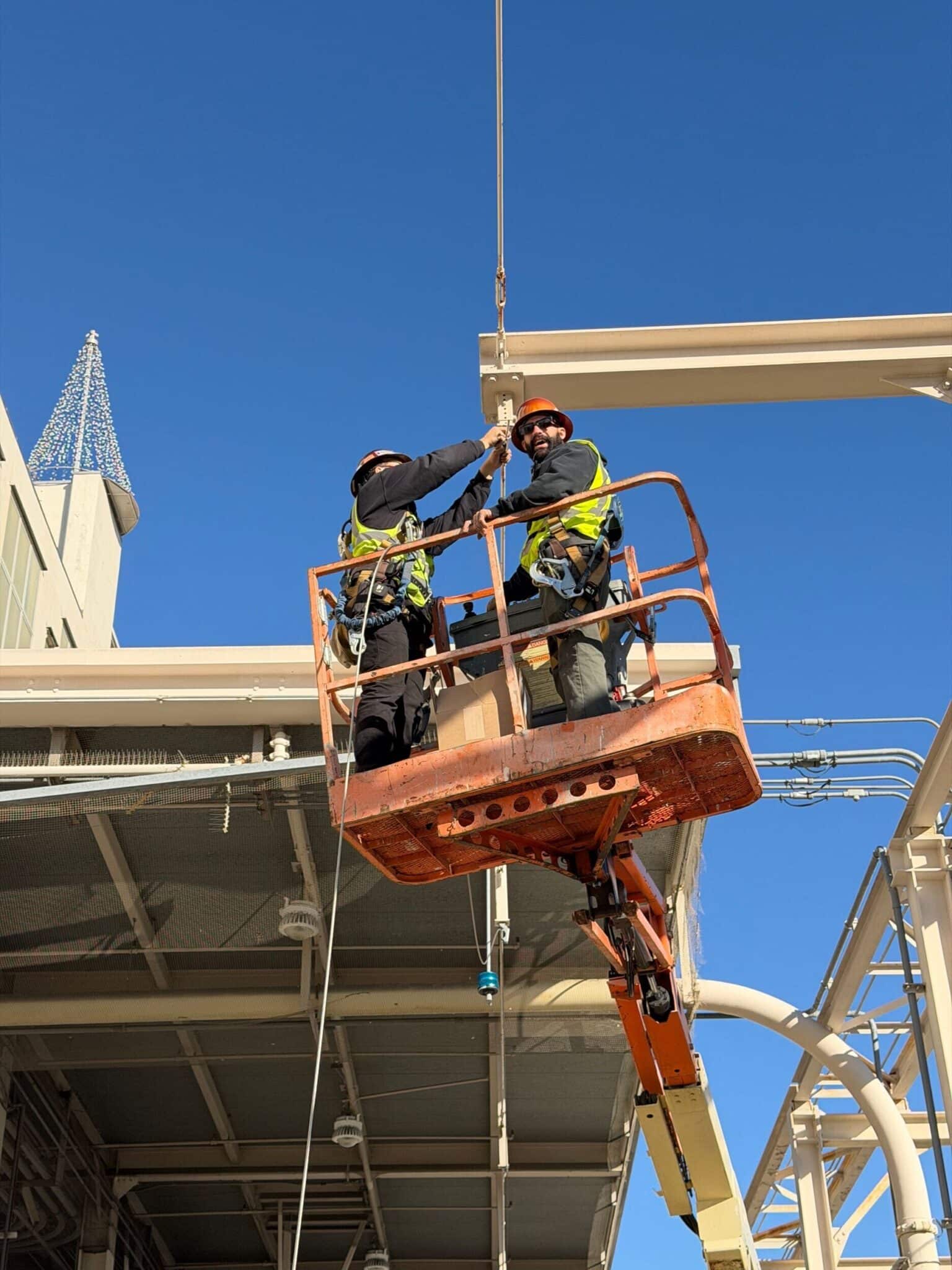
Every building and facility contains areas where workers may be exposed to fall hazards. Roof edges, skylights, elevated equipment, mezzanines, and façade access points can all create risks if not properly evaluated and protected.
A fall hazard assessment is a structured evaluation of a workplace or facility to identify areas where workers may be exposed to fall risks.
The assessment reviews:
The goal is to determine whether workers can safely perform tasks at elevation and whether current safety measures adequately protect them.
Under Cal/OSHA Title 8 safety regulations, employers must provide safe access to elevated work areas and protect employees from fall hazards where exposure exists.
Why Fall Hazard Assessments Are Important
A professional assessment helps identify issues before they lead to accidents.
Common problems discovered during assessments include:
Addressing these issues early helps protect workers and reduce liability for building owners.
Fall hazard assessments are performed through a systematic evaluation of the building, maintenance operations, and existing safety systems.
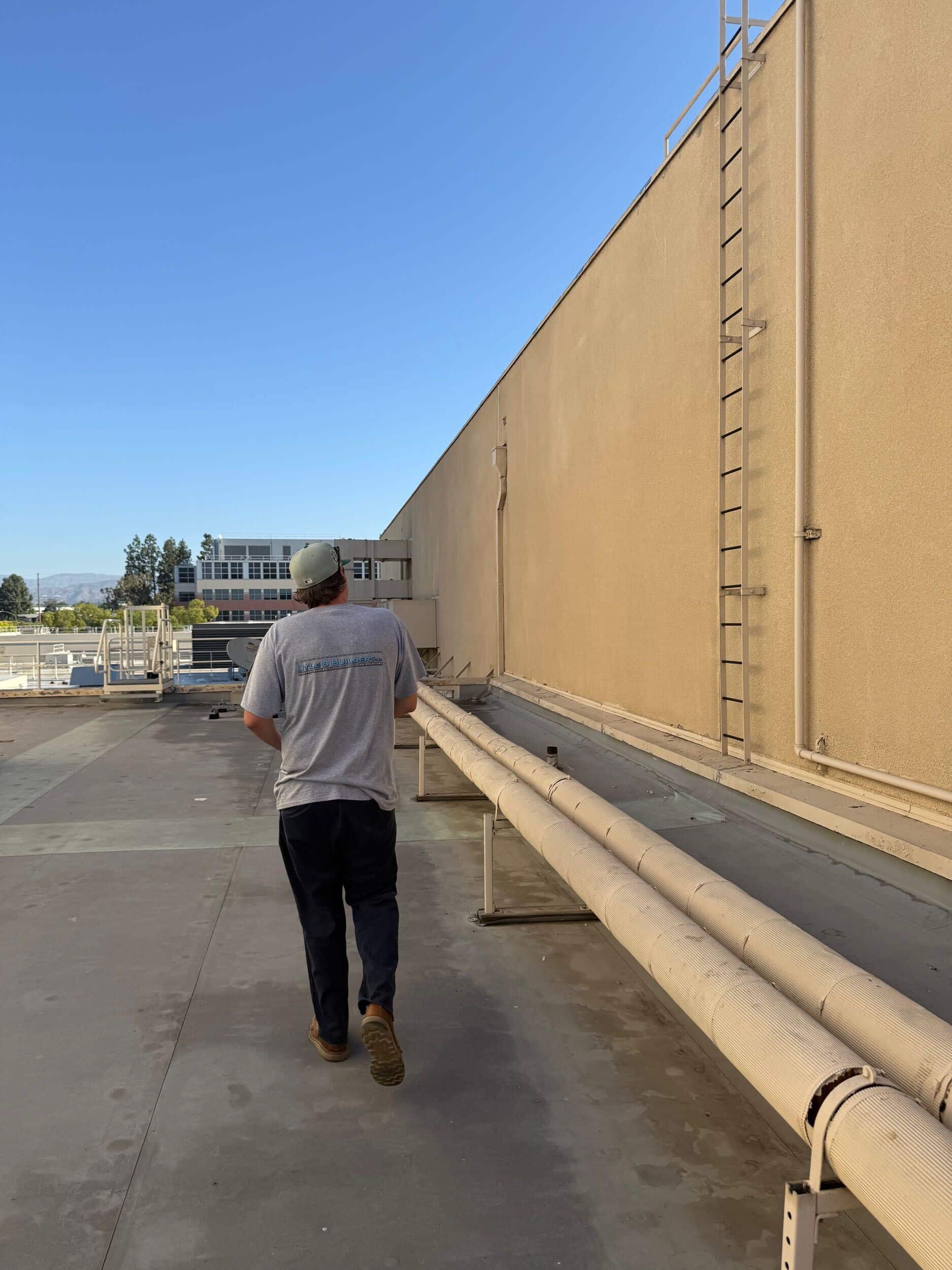
Our team conducts a detailed walkthrough of the facility to identify potential fall exposure areas.
Typical evaluation points include:
This inspection helps map out where workers may be exposed to fall hazards during routine operations.
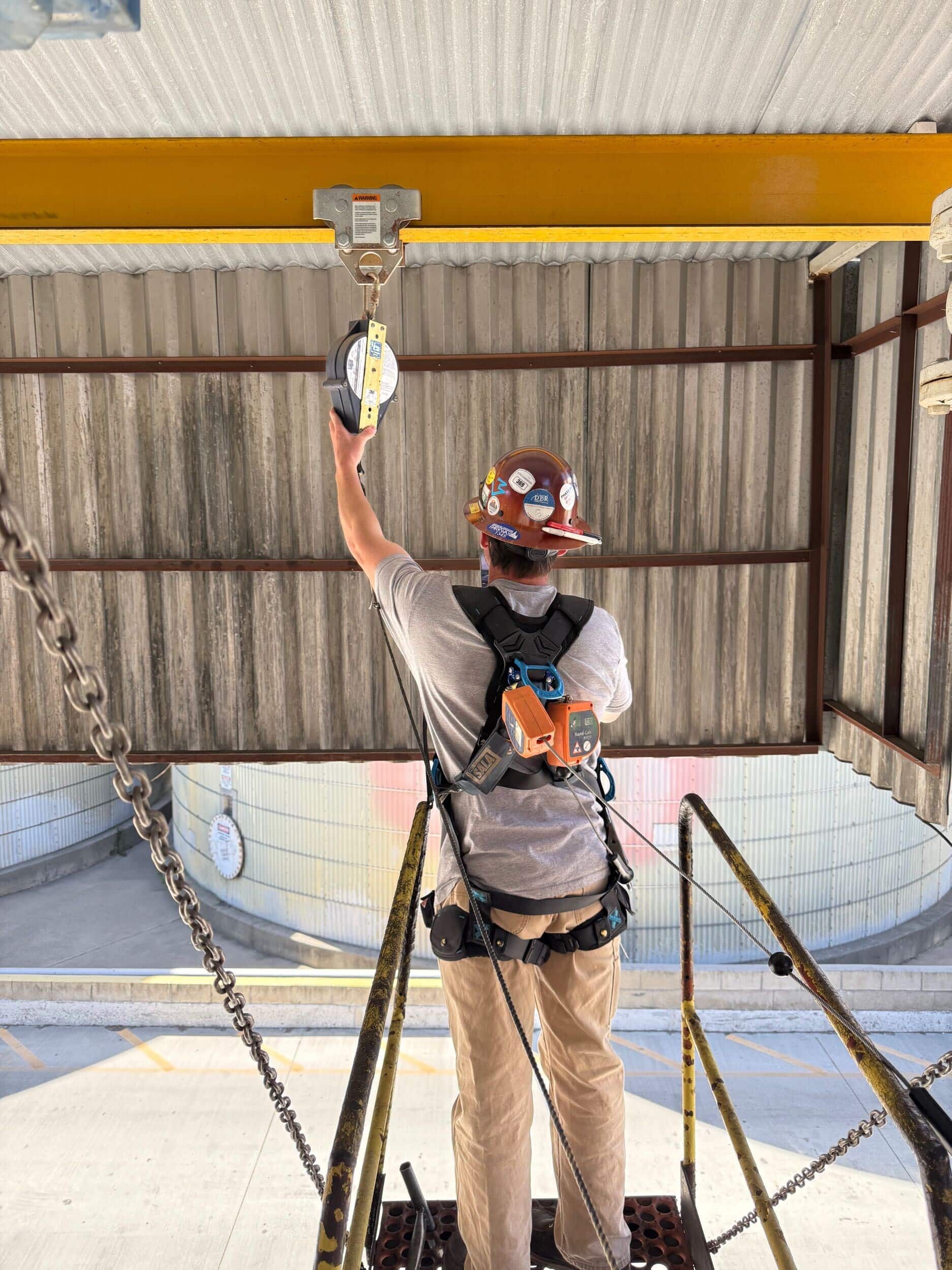
Existing safety equipment is evaluated to determine whether it still provides effective protection.
This review may include:
Systems are evaluated for both structural condition and operational suitability.
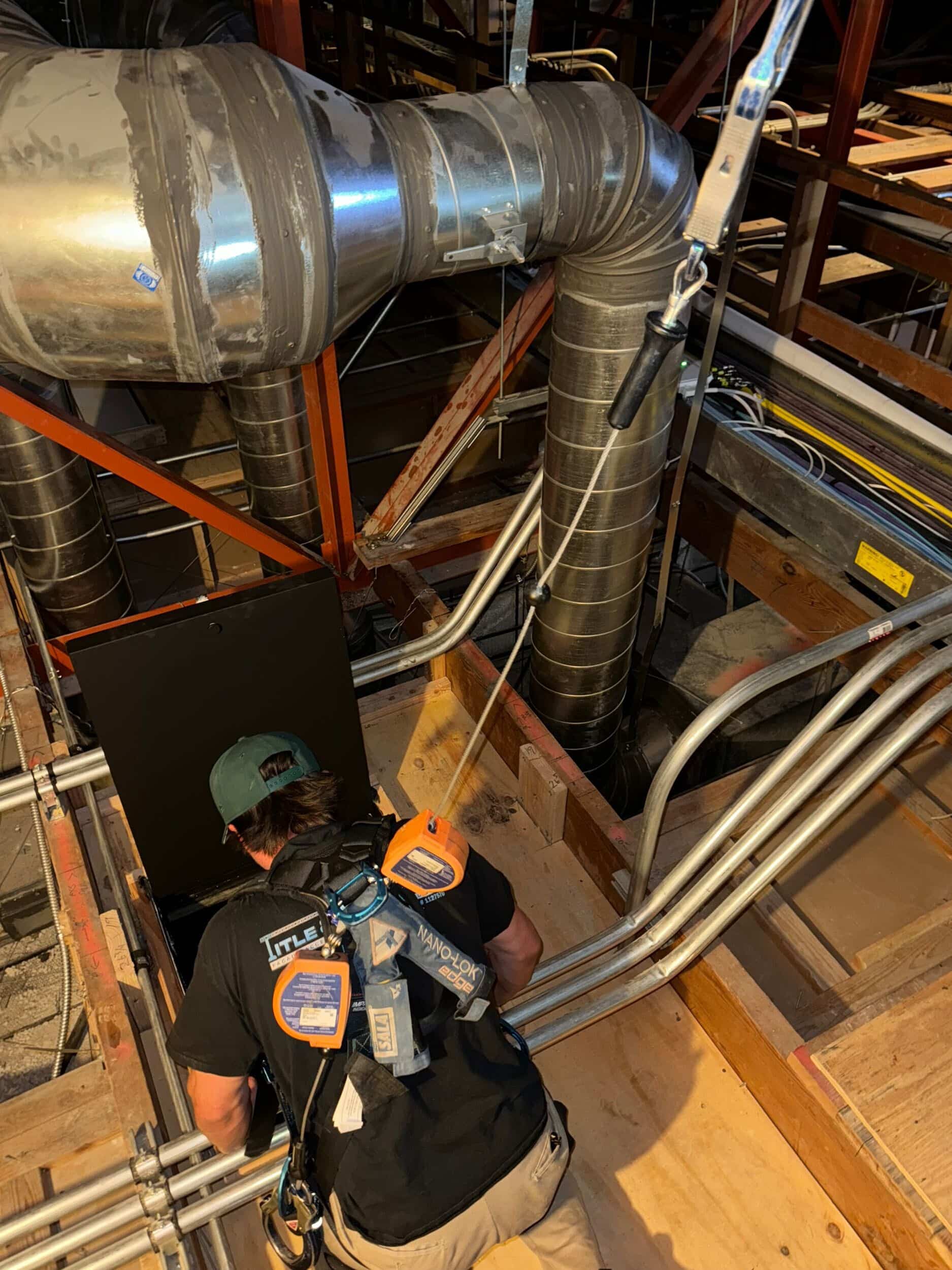
Understanding how workers interact with the facility is critical to designing effective safety solutions.
During the assessment we review:
This helps ensure that recommended safety solutions support real maintenance needs.
Following the assessment, clients receive a report outlining:
This report helps facility managers and safety directors prioritize safety improvements and plan future upgrades.
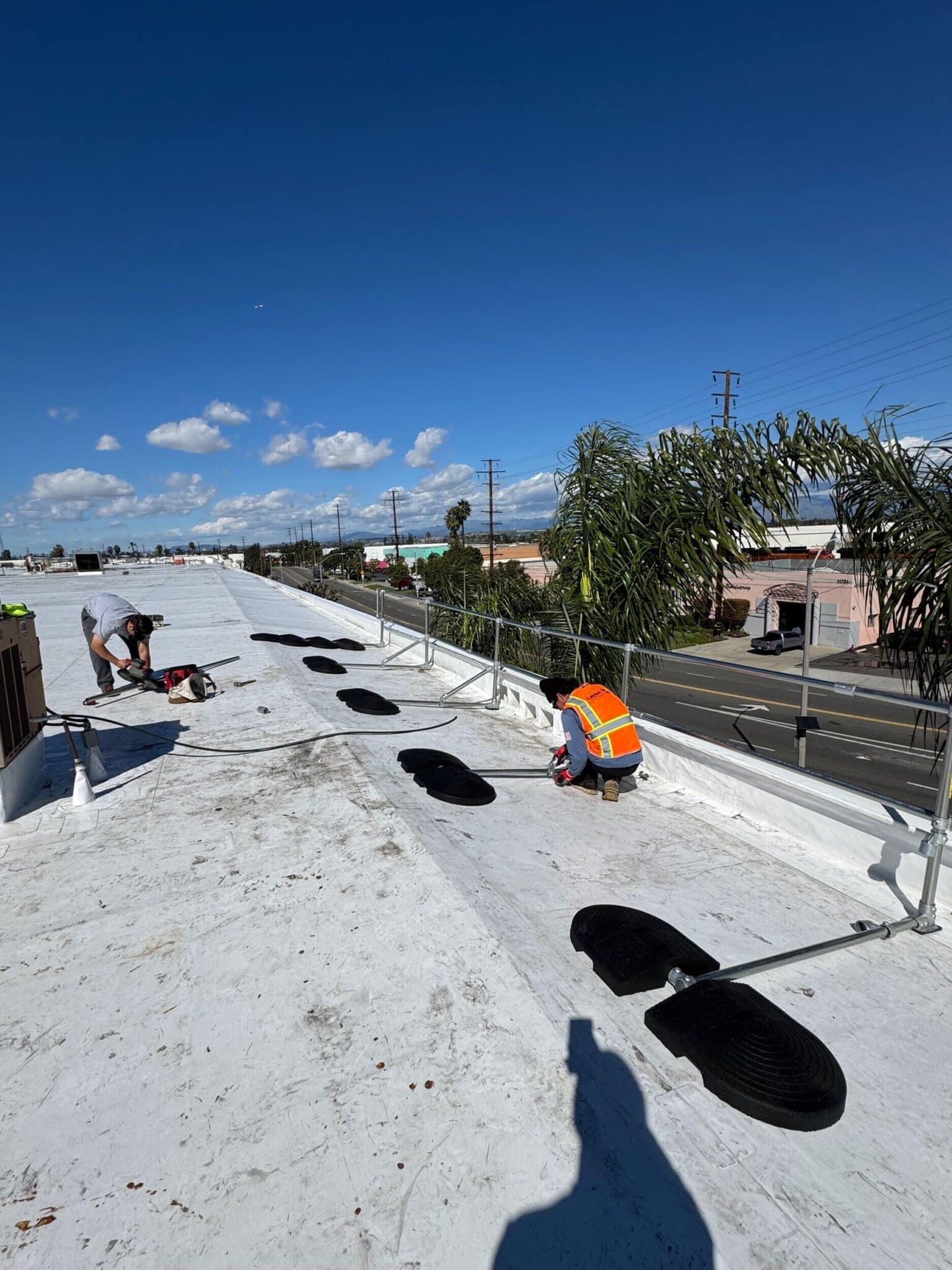
Workers servicing rooftop equipment may need to approach roof edges during maintenance activities.
Where employees routinely work near roof edges, guardrail protection or other fall protection measures may be required to prevent falls.
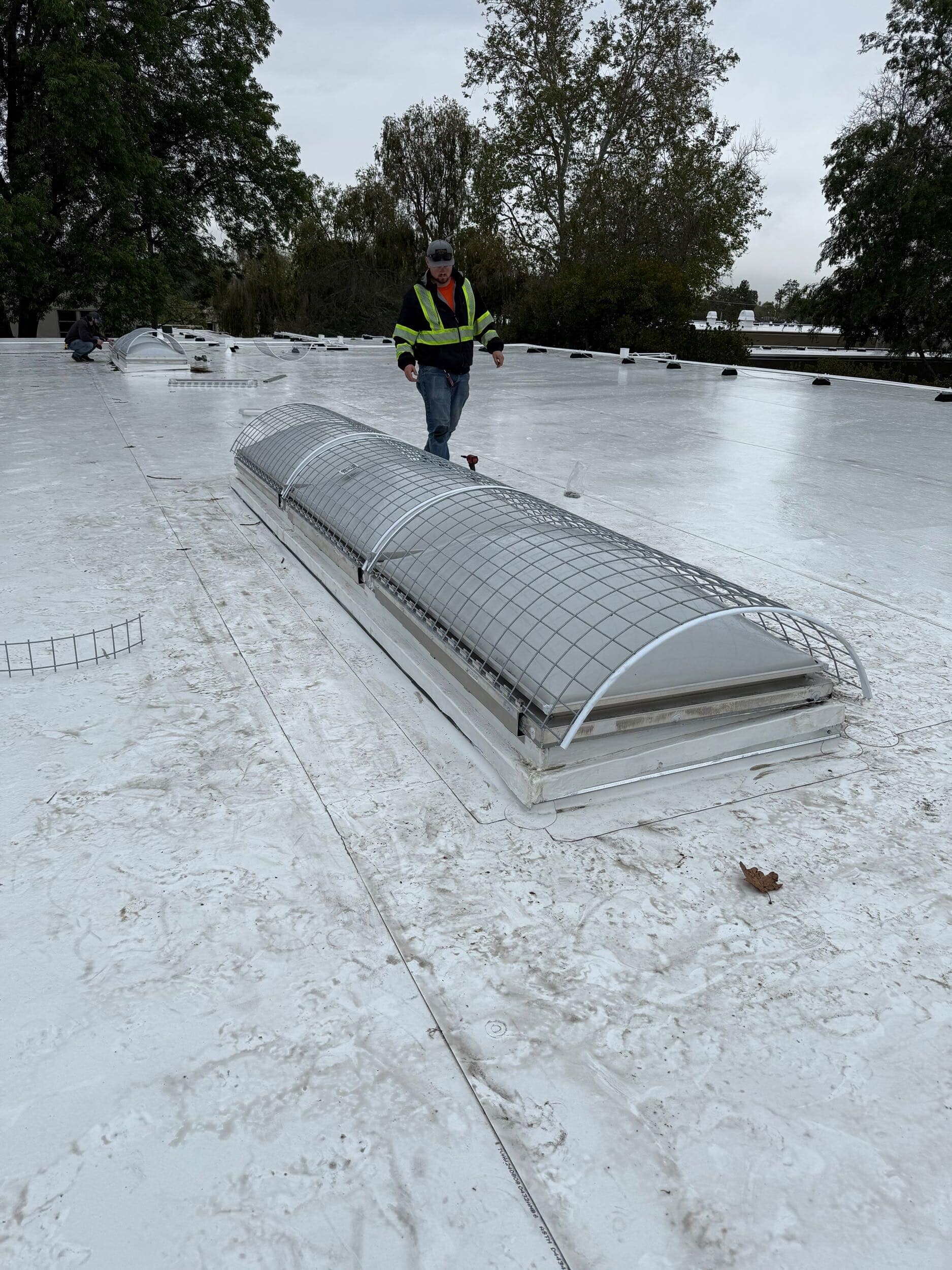
Skylights are a common source of serious fall accidents when not properly protected.
Protection methods may include guardrails, screens, or covers designed to prevent workers from falling through.
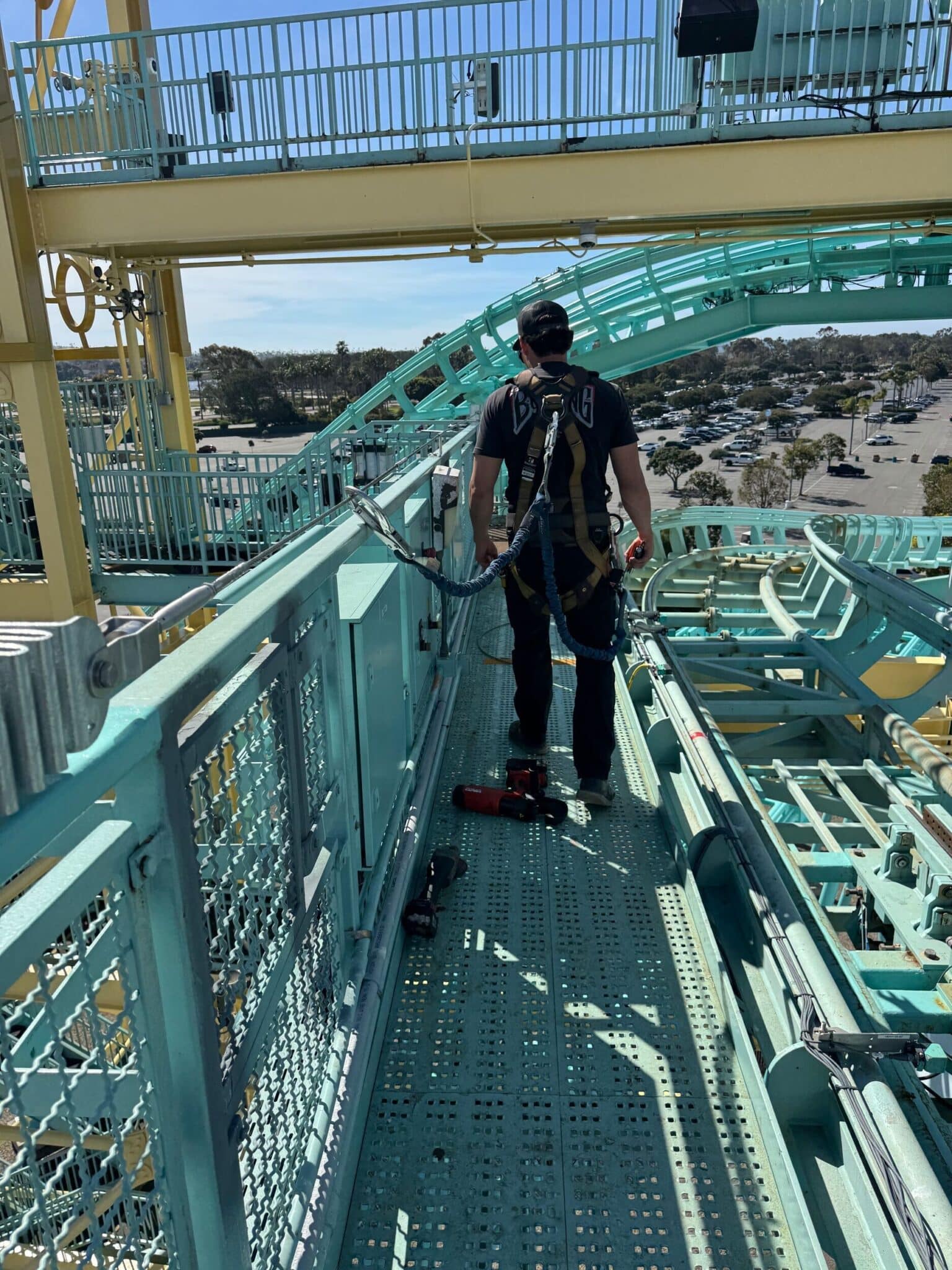
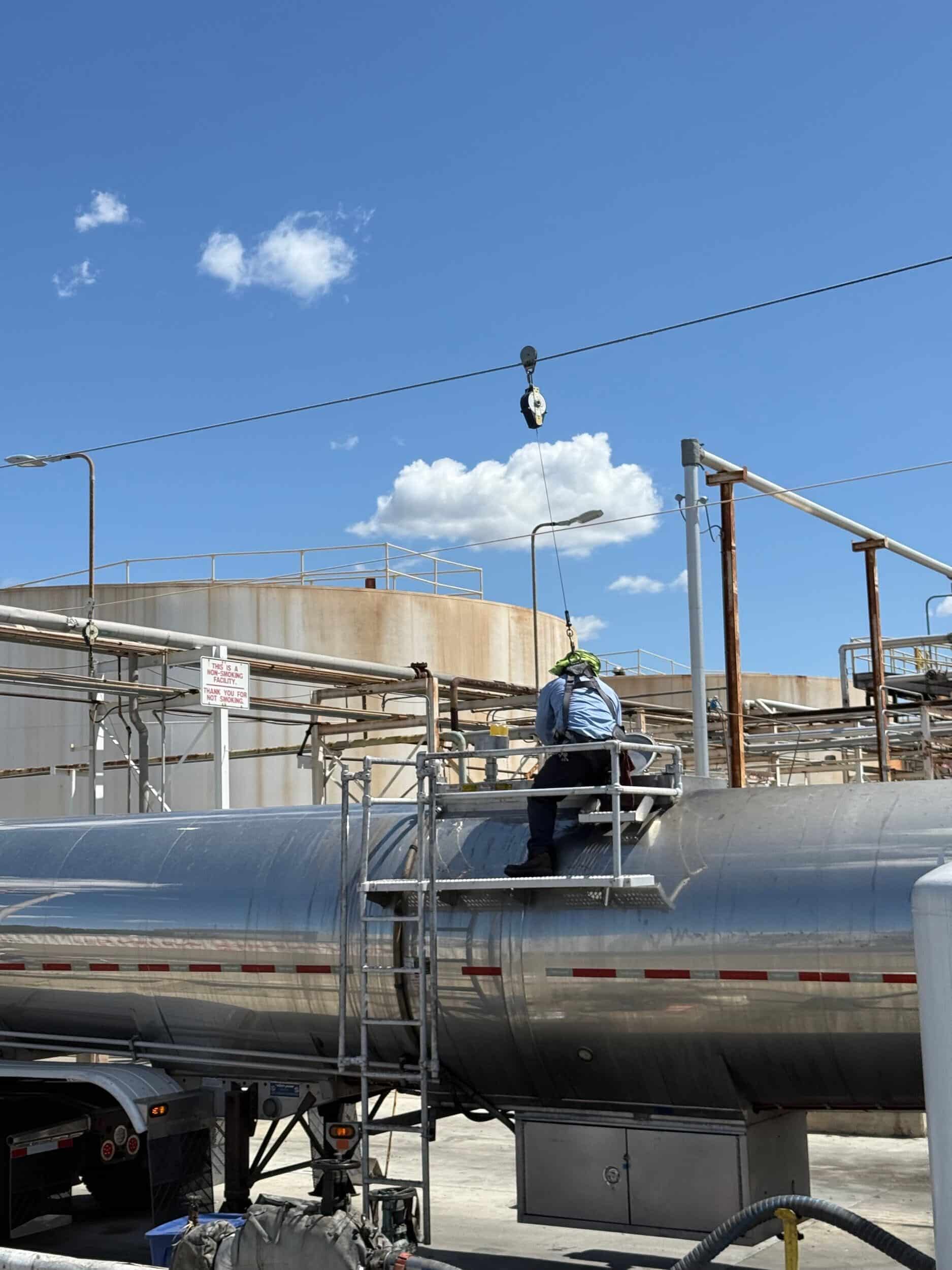
Industrial equipment often requires service access above floor level.
Platforms, catwalks, and safe access systems help reduce fall exposure in these environments.
Buildings that require exterior maintenance may need properly designed façade access systems or roof anchor systems.
Engineering review ensures these systems can support required loads and operate safely.
Fall hazard assessments help organizations maintain compliance with California workplace safety requirements.
California workplaces must provide safe access and safe working platforms for employees who perform tasks at elevation, as required under Cal/OSHA Title 8 §3270. By identifying potential hazards and recommending safety improvements, assessments help facilities demonstrate proactive safety management.
Fall hazard assessments are valuable for many types of organizations, including:
Facility managers and safety directors often request assessments when evaluating overall building safety or planning future safety upgrades.
Identifying hazards early helps prevent serious accidents and injuries.
Facility managers gain a clear understanding of where improvements may be needed.
Documented safety evaluations demonstrate proactive efforts to maintain safe workplaces.
Assessments ensure that future safety systems are designed to address real operational needs.
Title 8 Builders provides fall hazard assessments for facilities across California.
Our team works with facility managers, building owners, safety directors, and contractors to evaluate building safety conditions and develop practical solutions that improve worker protection.
If your facility has rooftop equipment, elevated work areas, or maintenance tasks performed at height, a professional assessment can help ensure those operations are performed safely.
Assessments are recommended whenever workers perform tasks near roof edges, elevated equipment, or other fall hazards.
Most facility evaluations can be completed during a single site visit depending on building size and complexity.
Yes. Reports typically identify hazards and suggest possible safety improvements.
Yes. Many assessments focus on identifying safety improvements for existing facilities.